
You feel the first movements of your baby while your mind is already on tomorrow’s to-do list. Or you lie awake at night because thoughts about the birth are swirling in your head. Many expectant moms know this feeling: physically so close to the miracle of life—yet mentally often far away. This is where mindfulness comes in: it brings you back to the present moment and gifts you with calm, trust, and a deep connection to your child.
Why Mindfulness in Pregnancy is So Valuable
Mindfulness means being consciously present in the here and now—without judging, without overthinking. Especially during pregnancy when your body and emotions can feel like a roller coaster, this ability can become your anchor. Studies show that mindfulness meditations help reduce anxiety and regulate the nervous system, leading to more calm and trust.

You learn to perceive your body more consciously, to recognize signals early, and to respond lovingly to your needs. At the same time, you build an intimate connection with your baby—long before you see each other for the first time. And the best part: mindfulness requires no expensive equipment, no complicated techniques. It begins with a single conscious breath.
Mindfulness Exercises for Every Trimester
Each phase of pregnancy brings its own challenges and wonders. These exercises accompany you through all three trimesters—tailored to what your body and soul need right now.
First Trimester: Arriving and Finding Trust
The first weeks are often marked by fatigue, nausea, and a mixture of joy and uncertainty. Now it’s about arriving gently and building trust in your body.
- Morning Breath Ritual (3 minutes): Sit up straight right after waking, one hand on your heart, one on your belly. Take a deep breath and imagine inviting calm and confidence with every inhale. As you exhale, let go of worries and tension.
- Body Scan Lying Down: Lie down comfortably and mentally scan through your body—from your toes to the crown of your head. Notice where you feel changes without judgment. Send loving thoughts to those areas.
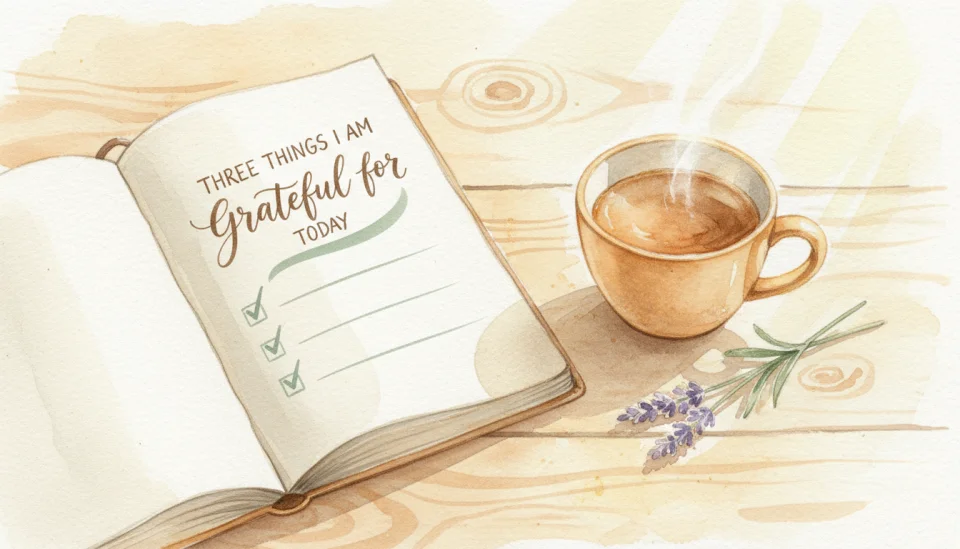
- Gratitude Journal: Write down three small things you are grateful for today every evening—even if it’s just the first sip of tea or a smile.
Second Trimester: Harnessing Energy and Deepening Connection
Many women now experience a phase filled with energy and anticipation. Use this time to deepen your mindfulness practice and strengthen the connection to your baby.
- Walking Meditation in Nature: Walk slowly and focus on each step. Feel how your feet touch the ground, how the air brushes against your skin. Occasionally place a hand on your belly and "tell" your baby about the sounds and impressions around you.
- Sound Meditation: Sit comfortably, close your eyes, and hum gently or listen to soothing music. Envision the vibrations flowing through your body and gently enveloping your baby.
- Mindfulness Yoga: Gentle yoga exercises like Cat-Cow stretches or Butterfly pose support the regulation of your nervous system and help relieve anxiety. Ensure you maintain a straight spine and make yourself comfortable.
Third Trimester: Letting Go and Preparing
Your belly becomes heavier, and the birth is approaching—now it’s about letting go and developing trust in the upcoming process.
- Breath Wave Visualization: Imagine your breath as gentle waves that come and go. With each wave, let go of tension and open yourself to what is coming. This exercise is also helpful during contractions.
- Pelvic Floor Meditation: Sit on a chair with your feet firmly on the ground. Inhale and imagine your pelvic floor gently lifting. As you exhale, let it go. This exercise strengthens awareness of an important part of your body.
- Mirror Affirmations: Look into your eyes every morning and tell yourself: "I trust my body. I am ready. My baby and I are a strong team."

Preparing for Birth with Mindfulness: Your Mental Toolbox
Mindfulness is one of the most effective tools for the birth itself. It helps you stay in the moment instead of drifting into fear or panic, and it gives you a sense of control—even when much is uncontrollable.
It's essential that you meditate in a stress-free and undisturbed place. Feel free to use a chair or armchair to keep your spine as straight as possible. Make yourself comfortable so you can fully focus on your meditation.
- Breath as an Anchor: During contractions, you can focus on your breath—slowly in, slowly out. This calms the nervous system and provides you with a focal point.
- Body Relaxation Scan: Mentally go through your body and consciously release tension—jaw, shoulders, hands. A relaxed body facilitates birth.
- Positive Birth Visualization: In quiet moments, imagine how the birth could unfold—powerful yet safe. Visualize holding your baby for the first time.
Involving Your Partner: Being Mindful Together
Mindfulness is not a solo project. Integrating your partner into the mindfulness practice strengthens the connection and supports preparation for the birth together. Here are some ideas for how you can practice together:

- Partner Breathing Exercise: Sit opposite each other, hold hands, and breathe synchronously. Feel how you tune into each other.
- Joint Meditation: Listen together to a guided meditation for pregnant women. Your partner can place a hand on your belly and feel the connection to the baby.
- Massage Ritual: Your partner gently massages your feet or back while you breathe consciously and let go. This creates closeness and relaxation.
- Visualizing the Birth Plan Together: Discuss how you envision the birth and imagine together how you will move through labor as a team.
Mindfulness in Everyday Life: Small Moments, Big Impact
Mindfulness and self-love during pregnancy is a long journey with ups and downs. There are always small pieces that can be integrated into daily life to cope more easily with the pregnancy in the long run.
- Mindful Eating: Take time for meals. Taste consciously, chew slowly, feel how the food nourishes your body—and thereby your baby.
- Shower Meditation: Visualize under the shower how the water washes away worries and tension. Breathe deeply and enjoy the warmth.
- Phone Breaks: Consciously put your smartphone aside several times a day and instead notice what is happening around you—or what is going on inside you.
- Evening Ritual: Before you go to bed, place both hands on your belly and send loving thoughts to your baby. Thank your body for everything it has accomplished today.

Support from Professionals and Group Offers
You don't have to walk this path alone. Professional support and group offers, such as workshops on mindfulness, yoga, and nutrition, provide pregnant women with valuable guidance and opportunities for exchange. In workshops, you will learn a lot about nutrition, yoga, and mindfulness. There’s also time for mutual exchange, and you’ll receive valuable bonus materials.
- Childbirth Preparation Courses with a Mindfulness Focus: Many midwives and birthing centers offer courses that incorporate mindfulness exercises.
- Pregnancy Yoga Classes: Here you will learn not only physical exercises but also breathing techniques and meditation—often in a supportive community.
- Online Meditations: Apps and YouTube provide guided meditations specifically for pregnant women—perfect for at home.
- Midwives and Doulas: They can show you individual mindfulness exercises and accompany you through your pregnancy.
Mindfulness in pregnancy is not a luxury—it is a gift to yourself and your baby. It helps you consciously experience the highs and lows of this special time, release fears, and gain trust. Whether you meditate for five minutes in the morning or simply take a moment to feel your breath: every mindful moment counts. You are not alone on this journey—and you are already exactly right just as you are.
Article translated from German → View original article
Sources & Research
Research Summary
Achtsamkeitsübungen während der Schwangerschaft fördern das Wohlbefinden und helfen, Ängste zu reduzieren. Praktische Übungen sind für jedes Trimester anpassbar und können auch den Partner in die Praxis einbinden. Zusätzlich unterstützen Fachleute und Gruppenangebote die Integration von Achtsamkeit im Alltag und bei der Geburtsvorbereitung.
Sources Used
- Meditationen für Schwangerschaft & Geburt - Monkey Yoga (Accessed on 2025-11-07)
- 10 Min.|alle Trimester|Achtsamkeit| Schwangerenyoga (Accessed on 2025-11-07)
- 4 Yoga Übungen gegen Angst in der Schwangerschaft (Accessed on 2025-11-07)
- Achtsamkeit und Selbstliebe in der Schwangerschaft (Accessed on 2025-11-07)
- Achtsam durch die Schwangerschaft (gebundenes Buch) (Accessed on 2025-11-07)
- #139 - Meditation für das 1. Trimester [Schwangerschaft] (Accessed on 2025-11-07)
- Meditationen für die Schwangerschaft (Accessed on 2025-11-07)
Medical Disclaimer
The information provided in this article is for educational purposes only and is not intended as a substitute for professional medical advice, diagnosis, or treatment. Always seek the advice of your physician or other qualified health provider with any questions you may have regarding a medical condition. Never disregard professional medical advice or delay in seeking it because of something you have read on this website.
Similar Posts
10 Natural Methods to Combat Labor Pain – That Really Empower You
The fear of labor pain accompanies many expectant mothers. However, there are effective, natural ways to alleviate pain ...
10 Natural Ways to Gently Alleviate Labor Pain – Without Fear
The fear of labor pain is completely normal – but you are not helpless against it. Discover 10 natural, science-based me...
Understanding Panic Attacks in Pregnancy: When Your Heart Races and Hormones Go Haywire
Suddenly your heart races, you feel short of breath, and fear overwhelms you. Panic attacks during pregnancy can be terr...
Fear of Miscarriage in the First Trimester? These Facts Bring You Confidence
The first weeks of your pregnancy are filled with anticipation and uncertainty. Discover what the numbers really mean, h...