You sit exhausted on the sofa, the baby finally asleep, and hear your mother washing dishes in the kitchen. A feeling of gratitude washes over you—and at the same time, you wonder if she really needs to wash the new bottles by hand, even though you prefer the dishwasher. Grandparents in the postpartum period: this can be the greatest relief or a source of tension. However, with clear agreements and mutual respect, their help becomes a true blessing for the whole family.

Practical Help: Where Grandparents Can Really Alleviate Burden
About half of all children under six in Germany are also cared for by their grandparents—showing how valuable their support is. Especially in the postpartum phase, grandparents can help in various ways without having to directly interfere with baby care.
Specific Tasks for Grandparents:
- Household Tasks: Washing laundry, preparing meals, grocery shopping—all that saves you time and energy.
- Care for Siblings: Reading, playing, going to the playground while you take care of the baby.
- Running Errands: Pharmacy, drugstore, post office—the small errands that pile up.
- Bringing Meals: Preparing and freezing meals or cooking fresh daily.
- Just Being There: Holding the baby while you take a shower or nap.
It’s important: You decide where you want help. Some mothers want to handle baby care themselves, while others are grateful if Grandma takes over diapering in the meantime. Both are perfectly fine.

Clear Communication: Lovingly Set Expectations and Boundaries
When questions about care times, sleep times, nutrition, or media consumption are clarified ahead of time, the potential for conflict is significantly reduced. Open conversations before the birth create clarity and prevent misunderstandings.
How to Approach Conversations with Grandparents
Choose a calm moment—ideally during pregnancy. Explain your ideas kindly but firmly:
- "We would be happy if you..." instead of "You must..."—positive formulations open hearts.
- Provide Specific Examples: "The baby only sleeps in a sleep sack, not under blankets" is clearer than "Please do it right."
- Also Communicate Boundaries: "We don’t want any visits other than from you for the first few weeks" or "Please ask before you come over."
- Show Appreciation: "Your help means so much to us"—this creates a positive atmosphere.
Remember: Grandparents want to help but often don’t know how. Clear requests are not rudeness but a relief for all involved.
When Old and New Parenting Styles Collide
"In my time, we did it differently"—this sentence can trigger tension. Stay calm and explain factually: "Recommendations have changed. Today we know that tummy sleeping increases the risk." Scientific facts often help more than emotional discussions.
At the same time: Not every little thing has to be perfect. If Grandma sings a lullaby to the baby that you don’t know or Grandpa has a different diapering technique—as long as the baby is safe and loved, grandparents can also take their own approaches.
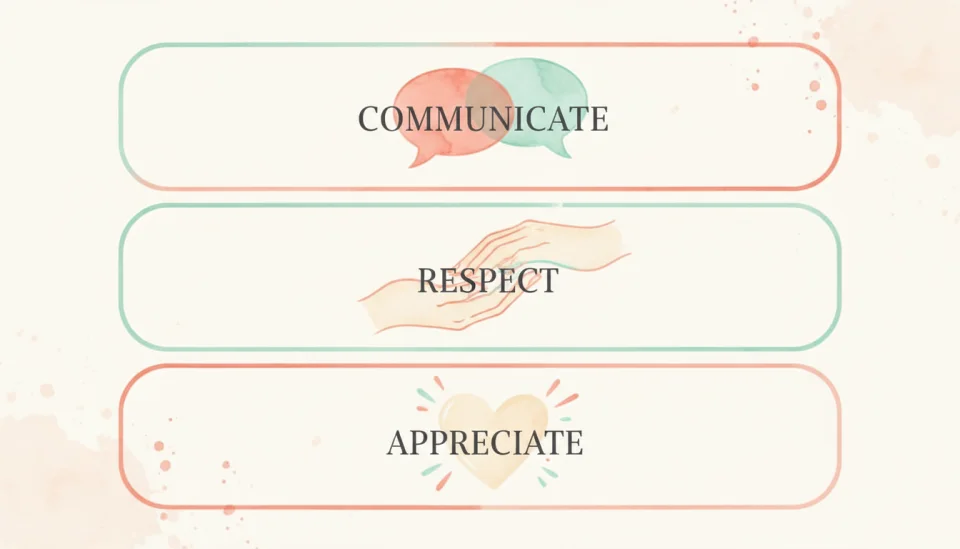
Siblings: Grandparents as Anchors in Turbulent Times
When a sibling comes, the world of the firstborn gets shaken up. Grandparents can play an invaluable role here—as constants, attention givers, as a safe base.
Ideas for Joint Activities:
- Exclusive Grandparent Time: An afternoon at the zoo, baking, crafting—just with the older child, without the baby.
- Establish Rituals: Every Wednesday with Grandpa at the pool, every Saturday with Grandma at the museum.
- Overnight Stays: Sleeping over at grandparents’ gives the older child the feeling of being "grown-up."
- Stories from Family History: "When your mom was small..."—this strengthens the bond.
- Assign Small Tasks: Preparing something for the baby together (folding bibs, winding up a music box).
Grandparents love to pass something on to the next generation. Let them develop their own rituals with the child—this strengthens the bonding and gives the sibling security during a time full of changes.

Emotional Support: Just Being There and Listening
Emotional support through conversations and attention is particularly valuable during the transition period after birth. Sometimes you need no advice but just someone who listens—without judgment.
Grandparents can fulfill this role wonderfully:
- As Conversation Partners: "How are you really?"—and then just listen.
- As Bearers of Experience: "I remember how exhausted I was"—the feeling of being understood.
- As Reassurance: "You’re doing great"—especially when self-doubt creeps in.
- As Relief from Guilt: "It's okay to feel overwhelmed sometimes."
Important: Emotional support does not mean giving unsolicited advice. When you want advice, you will ask. Until then, listening is the greatest gift.
Rituals and Routines: Stability for the Whole Family
Especially in the postpartum period, when everything is new and chaotic, established routines provide stability. Grandparents can help create structure—for you, for the baby, for siblings.
Examples of Helpful Rituals:
- Morning Coffee with Grandma: While Grandpa has breakfast with the older child, you have time for the baby.
- Afternoon Walk: Grandpa pushes the stroller, and you can catch your breath.
- Shared Dinner: Grandma cooks, everyone eats together—a moment of normalcy.
- Bedtime Story from Grandpa: Gives you time to breastfeed the baby.
- Sunday Brunch: A fixed appointment everyone looks forward to.
These rituals not only provide structure but also create beautiful memories. Years later, your children will remember “Grandma’s pancake Wednesdays” or “Grandpa’s storytelling sessions.”

When It Gets Difficult: Lovingly Resolving Conflicts
Not everything always runs smoothly. Perhaps the grandparents feel overlooked, or you feel patronized. This is normal—different generations have different views.
Strategies for Difficult Moments:
- Use "I" Messages: "I feel overwhelmed when..." instead of "You always...".
- Take Breaks: If the mood turns, it’s okay to say: "I need some quiet time now."
- Involve Your Partner: Your partner can speak with their parents, and you with yours—this often makes it easier.
- Show Gratitude: Even when not everything goes perfectly—express appreciation for the help.
- Find Compromises: "We’ll do it this way for sleeping, but you can decide for playtime."
Remember: Grandparents act out of love, even if it feels different sometimes. An open conversation resolves most conflicts before they escalate.
In Conclusion: Grandparents in the postpartum period can be an incredible asset—for you, for your baby, for the whole family. With clear agreements, mutual respect, and a pinch of calmness, their support becomes a gift that benefits everyone. And who knows: Maybe the most beautiful memories that will accompany your children for a lifetime are being created right now.
Article translated from German → View original article
Sources & Research
Research Summary
Großeltern können im Wochenbett eine wertvolle praktische und emotionale Stütze für die junge Familie sein, indem sie bei der Pflege des Neugeborenen, der Betreuung von Geschwisterkindern und im Haushalt helfen. Klare Kommunikation über Erwartungen und Grenzen sowie gemeinsame Rituale fördern ein harmonisches Miteinander und entlasten die Mutter in dieser intensiven Lebensphase.
Sources Used
- Großeltern häufig Unterstützung bei der Kinderbetreuung (Accessed on 2025-11-07)
- Kinderbetreuung durch die Großeltern: So funktioniert's (Accessed on 2025-11-07)
- Mütterpflegerin: Mit einem Baby wird auch eine Mutter ... (Accessed on 2025-11-07)
- Unterstützung im Wochenbett - Rostock (Accessed on 2025-11-07)
- Mütterpflegerin: Mit einem Baby wird auch eine Mutter ... (Accessed on 2025-11-07)
- Kinderbetreuung durch die Großeltern: So funktioniert's (Accessed on 2025-11-07)
- Wochenbett & Hilfe im Haushalt nach der Geburt (Accessed on 2025-11-07)
- Die Frage nach Unterstützung im Wochenbett - Baby Forum (Accessed on 2025-11-07)
- Familienexpertin rät Großeltern zur Zurückhaltung (Accessed on 2025-11-07)
- Frage Großeltern Unterstützung - Baby Forum (Accessed on 2025-11-07)
- Der Partner im Wochenbett: Starke Unterstützung für Mutter ... (Accessed on 2025-11-07)
- Unterstützung wenn das Baby da ist - Berliner Familienportal (Accessed on 2025-11-07)
Medical Disclaimer
The information provided in this article is for educational purposes only and is not intended as a substitute for professional medical advice, diagnosis, or treatment. Always seek the advice of your physician or other qualified health provider with any questions you may have regarding a medical condition. Never disregard professional medical advice or delay in seeking it because of something you have read on this website.
Similar Posts
Sibling Communication: How to Lovingly Prepare Your Child for the New Baby
Preparing your child for the arrival of a new baby is one of the most important tasks during pregnancy. With the right w...
Asking for Help in the Postpartum Period: 7 Concrete Ways Friends Can Support You Now
The baby is here, and so is the exhaustion – but asking for help is so hard. Learn how to specifically articulate what y...
Celebrating Sibling Love: 7 Cultural Rituals to Enrich Your Family Life After Birth
The first weeks with a baby are magical—and challenging for sibling children. Discover heartwarming rituals from differe...
The Spa Day for Siblings: 7 Creative Ways to Enjoy the Postpartum Period Together
The postpartum period with multiple children? Turn the challenge into an opportunity: A spa day at home gives siblings a...