You're sitting on the sofa, your hand resting on your growing belly, and your firstborn is cuddling up to you. The question hangs in the air: When and how do I tell them? The thought of a new baby joining the family fills you with joy – but also a quiet concern. How will your child react? With the right words and timing, you can turn this change into a shared adventure.

The Right Moment: When to Start the Conversation
The question of when is just as important as how. Many parents are unsure whether they should talk to their child right after the positive test or wait until later. The answer depends on your child's age.
For younger children (under 4 years), it makes sense to wait until the baby bump is visible. Nine months is an unimaginably long time for small children – they live in the here and now. When they see your growing belly and might even feel movements, the baby becomes more tangible and real.
For older children (4-5 years and up), you can start the conversation earlier. They have a better grasp of time spans and can prepare for changes. Use visual aids like a calendar or a children’s pregnancy book to shorten the waiting time.
- Choose a quiet moment when you are undisturbed
- Pay attention to your child's mood – a stressful day is rarely the best time
- Use everyday situations: while cuddling, during a walk, or while reading
- Be ready for spontaneous questions – the conversation doesn't have to be completed in one sitting
Questions and Uncertainties: Creating Space for Real Feelings
"Will you still love me?" – "Do I have to share my room?" – "Can the baby break my toys?" Your child's questions might surprise you, maybe even touch or unsettle you. Yet, this openness is valuable.

All feelings are allowed. Whether your child reacts with enthusiasm, indifference, or even rejection – all emotions are valid. Instead of saying "You're going to love the baby!" or "You don't have to worry," take the feelings seriously: "I understand that you are worried. Let's talk about it."
Common uncertainties and how to address them:
- "Will you still love me?" – Reassure your child specifically: "Our love will not be divided; it will grow. You will remain our beloved child, and the baby will also be loved – but differently, because every child is unique."
- "What will change for me?" – Be honest about changes, but also emphasize what will stay the same: "Mom will be tired at first, but our bedtime story remains."
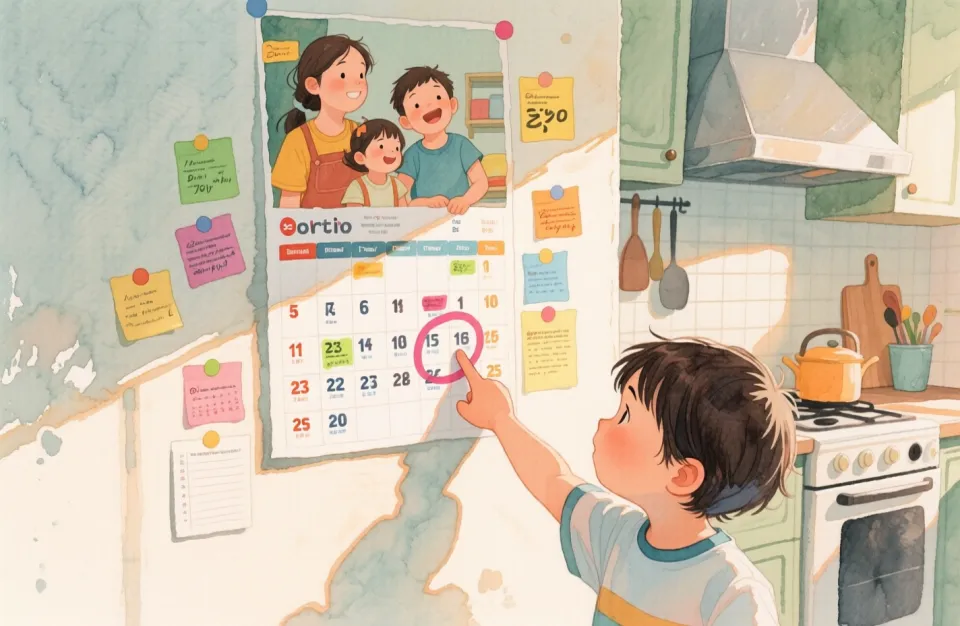
- "When is the baby finally coming?" – Use visual aids: Count down weeks together, create a countdown chart, or highlight important milestones on the calendar.
- No questions – Silence is also a reaction. Some children need time to process. Offer opportunities for conversation repeatedly, without pressure.
Positive Language: Creating Anticipation Together
The way you talk about the baby shapes your child’s expectations. Positive language does not mean sugarcoating reality, but rather focusing on the beautiful aspects and actively involving your child.
Avoid comparisons and warnings: Sentences like "The baby will cry a lot" or "You have to be quiet now" create fear or rejection. Instead, formulate positively: "Babies cry when they need something – you can help me figure out what that is."

Here’s how to create anticipation:
- Joint Preparation: Let your child help set up the baby’s room, choose onesies, or create a welcome gift
- Stories and Books: Read books together about siblings and babies – normalizing the situation and providing conversation starters
- Emphasize the New Role: "You will be the big sister/brother – that is something very special!"
- Point out concrete benefits: "You can sing your favorite songs to the baby later" or "You already know many things that you can show."
Changes in Daily Life: Honest and Age-Appropriate Information
Children sense changes, even if we do not talk about them. Therefore, it is important to discuss early and honestly what will change. Transparency creates security.
Your older child will need to learn that they will have to share a lot from now on – space, attention, and sometimes toys. This can be challenging, especially if they have been an only child until now.
- Discuss Daily Routines: "When the baby is here, we will stay home more often" or "Sometimes I will need to feed the baby while you play – but afterwards, we will have time together again."
- Maintain Rituals: Consider which rituals are important to you (bedtime story, Saturday outing) and communicate that these will remain
- Introduce New Rituals: "While the baby sleeps, we have our special mom-child time."
- Practical Changes: If a move to a larger children's room is planned or if the crib will be passed on, explain it in advance and positively.
Family Conversations: Every Voice Counts
Regular family conversations – even during pregnancy – create a culture of openness. Here, everyone can express their thoughts and feelings without being judged.
How to conduct family conversations:
- Choose a fixed time (e.g., Sunday morning at breakfast)
- Start with positive experiences of the week
- Give everyone space to speak – including the youngest family member
- Talk about feelings: "How do you feel when you think about the baby?"
- Plan together: "What would we like to do before the baby arrives?"
A particularly effective approach is: Speak to the baby (even in the womb) about the feelings and needs of the sibling in the presence of your older child. "Little baby, your big sister is sometimes a bit excited. She is looking forward to you, but she also needs a lot of cuddle time with mom." This strengthens your child's self-esteem and fosters empathy.

Your Path to a Loving Sibling Relationship
The communication about the new baby is not a one-time conversation, but an ongoing dialogue. Some days your child will be full of excitement, on others they might doubt or react anxiously. All of this is normal.
By giving your child space for their feelings, speaking honestly about changes, and actively involving them in the preparation, you lay the foundation for a loving sibling relationship. You show your child: Your voice matters, your feelings are important, and you are a valuable part of this growing family.
Trust that you are exactly the right mother or father for both children – with all your love, patience, and willingness to grow together.
Article translated from German → View original article
Sources & Research
Research Summary
Eltern können Geschwisterkinder durch offene, einfühlsame Gespräche und positive Sprache auf das neue Baby vorbereiten. Wichtig sind der richtige Zeitpunkt für Gespräche, das Ernstnehmen von Fragen und Unsicherheiten sowie das Einbeziehen des Kindes in die Veränderungen des Familienalltags. Familiengespräche und kleine Rituale helfen, Vorfreude zu wecken und Ängste abzubauen.
Sources Used
- Mama bekommt ein Baby: praktische Tipps für Geschwisterkinder (Accessed on 2025-11-07)
- Schwangerschaft verkünden – Wie gelingt die Schwangerschaftsverkündung beim Geschwisterkind? (Accessed on 2025-11-07)
- Neugeborenes seinen Geschwistern vorstellen – Kleinkind (Accessed on 2025-11-07)
- Ein gelungener Start in die Geschwisterbeziehung (Accessed on 2025-11-07)
- Neugeborenes seinen Geschwistern vorstellen - Kleinkind (Accessed on 2025-11-07)
- Ein gelungener Start in die Geschwisterbeziehung (Accessed on 2025-11-07)
- 5 Tipps fürs erste Treffen zwischen Baby und großem ... (Accessed on 2025-11-07)
- Schwangerschaft verkünden (Accessed on 2025-11-07)
- Mama bekommt ein Baby: praktische Tipps für ... (Accessed on 2025-11-07)
- Kind auf Geschwisterchen vorbereiten: 7 hilfreiche Tipps! (Accessed on 2025-11-07)
- Geschwisterchen kommt: Kind auf Geschwisterkind ... (Accessed on 2025-11-07)
- Neues Geschwisterchen: 5 Probleme & Tipps (Accessed on 2025-11-07)
- Geschwister auf das neue Baby vorbereiten (Accessed on 2025-11-07)
- Geschwisterkinder - 3 Tipps für den Familienalltag (Accessed on 2025-11-07)
Medical Disclaimer
The information provided in this article is for educational purposes only and is not intended as a substitute for professional medical advice, diagnosis, or treatment. Always seek the advice of your physician or other qualified health provider with any questions you may have regarding a medical condition. Never disregard professional medical advice or delay in seeking it because of something you have read on this website.
Similar Posts
Asking for Help in the Postpartum Period: 7 Concrete Ways Friends Can Support You Now
The baby is here, and so is the exhaustion – but asking for help is so hard. Learn how to specifically articulate what y...
Celebrating Sibling Love: 7 Cultural Rituals to Enrich Your Family Life After Birth
The first weeks with a baby are magical—and challenging for sibling children. Discover heartwarming rituals from differe...
The Spa Day for Siblings: 7 Creative Ways to Enjoy the Postpartum Period Together
The postpartum period with multiple children? Turn the challenge into an opportunity: A spa day at home gives siblings a...
Postpartum Without Chaos: How to Create Time for Yourself with 3 Simple Structures
The postpartum period doesn't have to end in chaos. Discover how flexible weekly plans, smart task division, and targete...